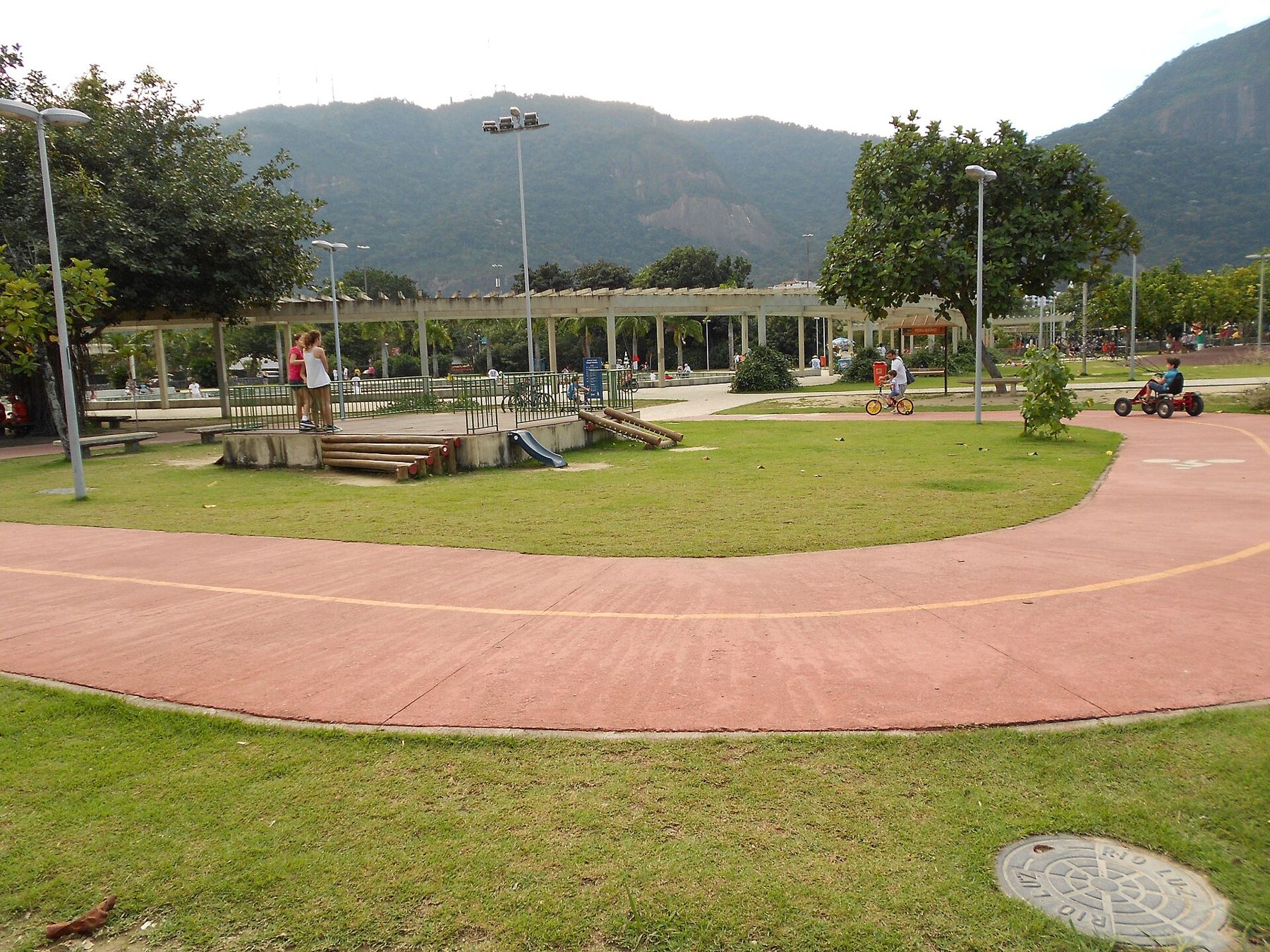
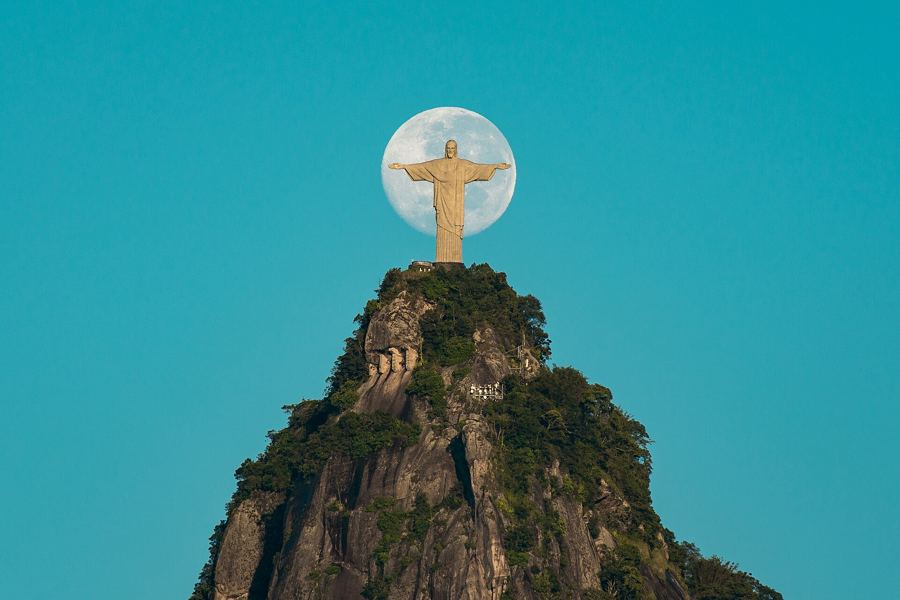
The Lagoa Rodrigo de Freitas is a broad saltwater lagoon in the middle of Rio's south zone, separated from the ocean by the narrow strip of land where Ipanema and Leblon stand. Its shores are ringed by a continuous walking and cycling path of about 7.5 km, with parks, sports grounds and kiosks along the way. Above it rise the forested mountains of the Tijuca massif, with the statue of Christ the Redeemer standing on the peak of Corcovado almost directly overhead.
Walking the full loop is flat, easy and beautiful, and it is one of the best ways to see how the city is wrapped around its mountains and water.
A lagoon in the city
The lagoon is connected to the sea by a canal that runs between Ipanema and Leblon, which keeps its water brackish. In colonial times its shores held sugar plantations and later a gunpowder factory; today they are lined with apartment buildings, clubs and parks. The water quality has varied over the years, and swimming is not advised, but the lagoon is used for rowing, stand-up paddleboarding and pedal boats in general terms. Rowing has a long history here, and on many mornings crews in long, narrow boats glide across the water in formation.
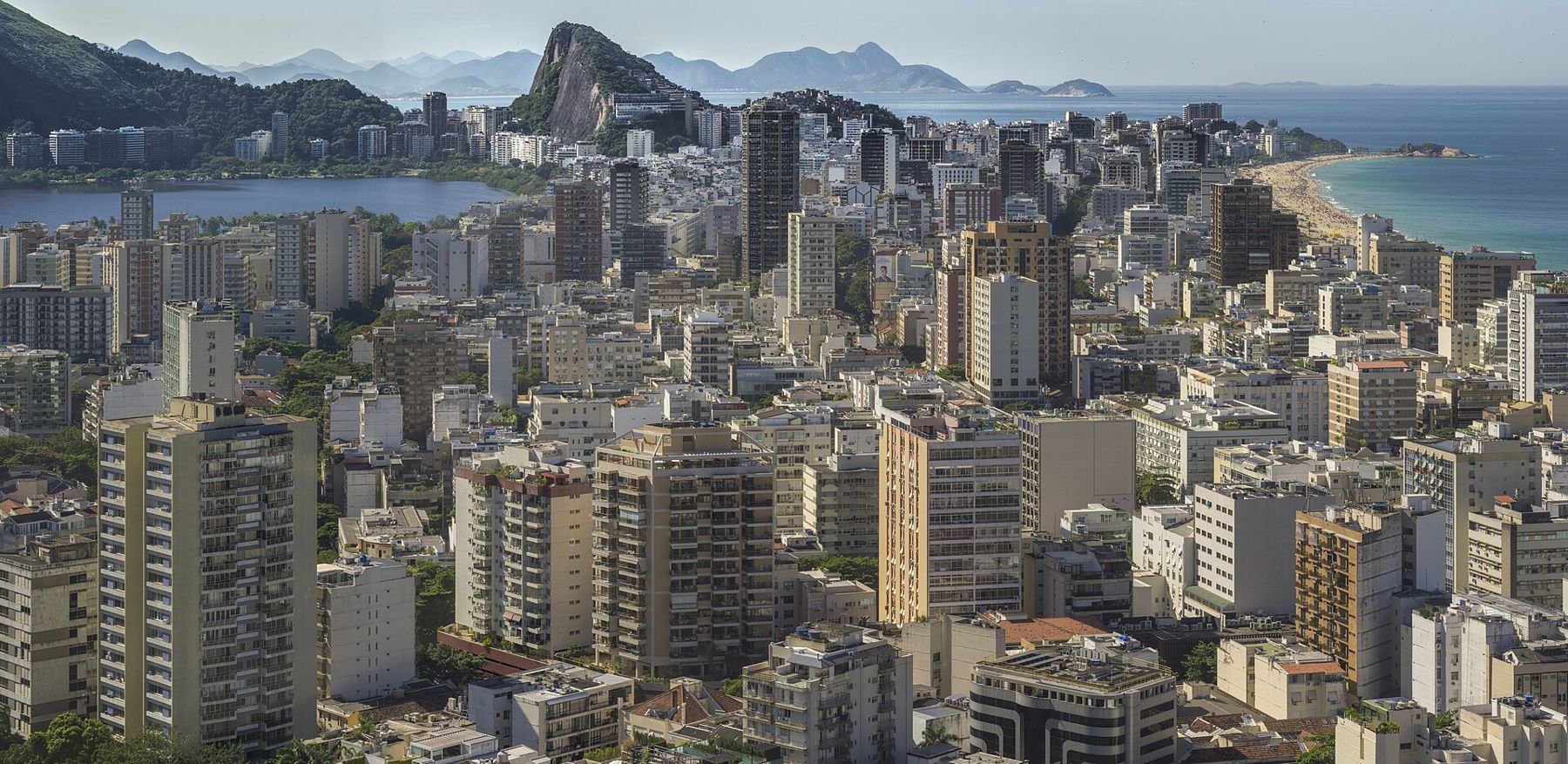
The path around the shore is shared by walkers, runners and cyclists, with a separate cycle lane for much of the way. It is well maintained, lit at night and busy in the mornings and evenings. Benches and shady trees are spaced along the route, and drinking fountains and toilets can be found at some of the parks and kiosks.
Starting the loop
You can start anywhere, but the western shore near Parque dos Patins is a convenient point, with kiosks, sports courts and views across the water to Corcovado. Walking anticlockwise from here, you pass the clubs and parks of the western shore, the hills of the eastern side, and the residential streets of the northern end.
The full loop takes about two hours at a steady walking pace, without long stops. If that is too much, walk a stretch and then cut across to the nearest street for a bus or taxi. Many people walk just the southern half, from Parque dos Patins round to the eastern shore, which holds most of the best views.
The lagoon's shape is worth understanding as you walk. It is roughly heart-shaped, with the canal to the sea at its southern edge and the mountains closing it in to the north and east. That means the views keep changing: the statue swings from straight ahead to over your shoulder, Dois Irmãos appears and disappears behind buildings, and the hills of the Tijuca forest rise in tiers above the northern shore.
Views around the shore
The view changes as you walk. From the southern shore, the statue on Corcovado stands high above the northern end of the lagoon, framed by forest. From the eastern side, the twin peaks of Dois Irmãos rise beyond Leblon to the west. In the late afternoon, the light on the water turns gold, and the reflections of the mountains are at their clearest on still days.
The lagoon is also home to plenty of birds: herons, egrets, cormorants and frigatebirds overhead. Capybaras have occasionally been seen on the shores, a surprise for visitors who did not expect the world's largest rodent in the middle of a city.
Walking the full loop is flat, easy and beautiful, and it is one of the best ways to see how the city is wrapped around its mountains and water.
Parks and stops along the way
- Parque dos Patins: a lively park on the western shore with sports courts and kiosks.
- Parque da Catacumba: on the eastern side, a park with sculptures and a steep trail climbing the hill to a viewpoint over the lagoon.
- The clubs and boathouses on the shores, with rowing boats and paddleboards.
- The northern end, closest to the Jardim Botânico and Parque Lage.
The short climb in Parque da Catacumba is worth the effort if you have energy left: from its upper viewpoint, the whole lagoon lies below you, with Ipanema, Leblon and the ocean beyond. Kiosks around the lagoon serve drinks and snacks in general terms and are busy on evenings and weekends.
Along the northern shore, the path passes close to the edge of the forest, and the sound of birds from the hills mixes with the traffic. Here the mountains feel very near, and on clear mornings the statue on Corcovado stands sharp against the sky directly above. This is also the quietest part of the loop, with fewer kiosks and more residents walking dogs and pushing buggies.
Watch the water for activity. Rowing crews train early, and on calm afternoons paddleboarders drift across the middle of the lagoon. On some days, the surface is so still that the whole mountain range is reflected in it, a sight worth stopping for.
When to walk
The lagoon changes character through the day, and choosing your hour shapes the whole walk, its light, its temperature and its company.
- Early morning: cool, calm water, runners and rowers.
- Late afternoon: golden light and reflections, more people.
- December evenings: a large floating Christmas tree has often been set up on the lagoon in past years.
- Midday: hot and exposed; shade is limited on parts of the path.
The path is popular and generally feels safe during the day and early evening when many people are around. Carry little, keep your phone out of sight, and stay on the main path.
Combining the lagoon with other walks
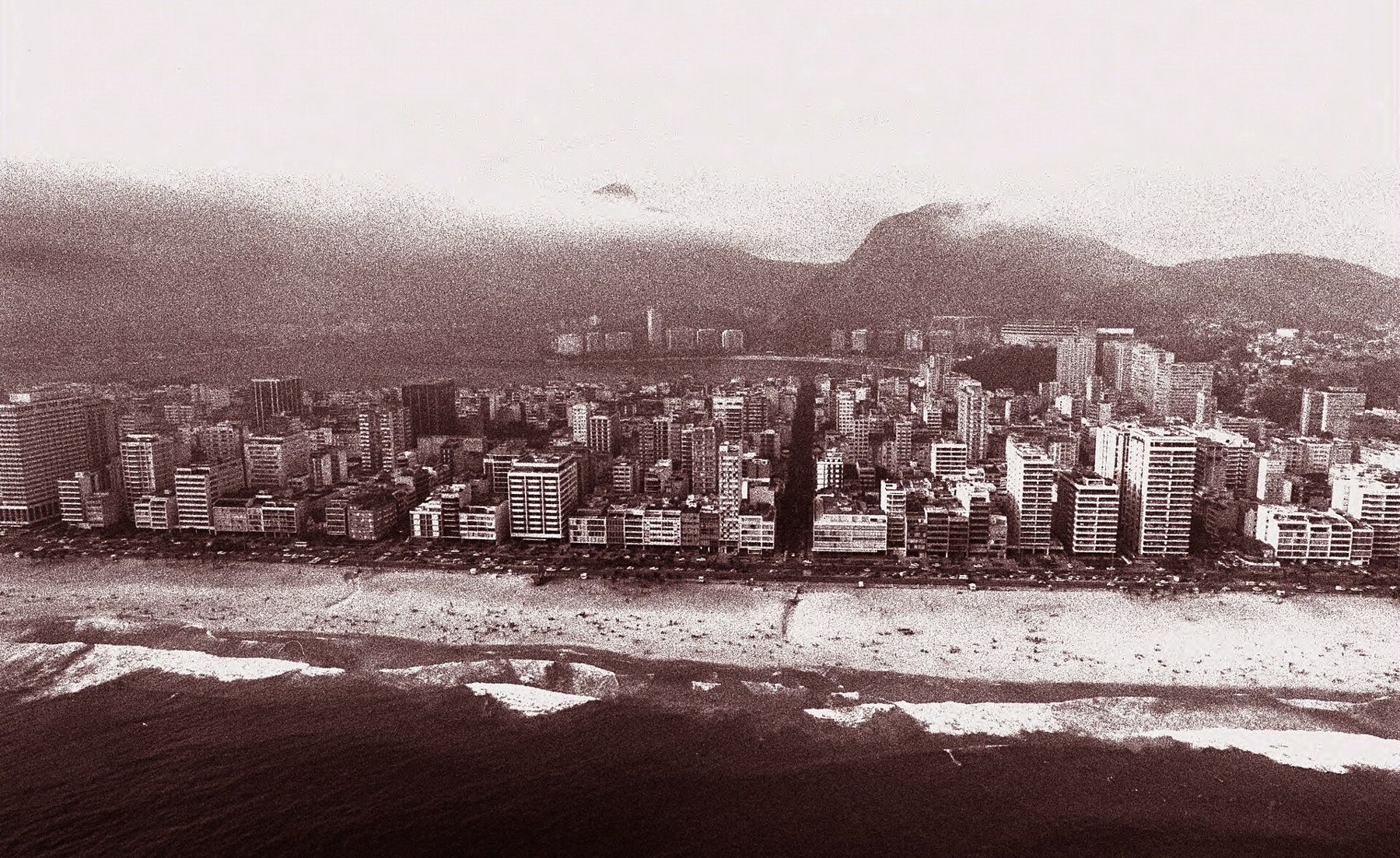
The lagoon has its own history too. In the nineteenth century, the royal gunpowder factory stood on its shore, near the site chosen for the botanical garden, and the area was mostly farmland and estates. Its transformation into the residential heart of the south zone came in the twentieth century, as Copacabana and Ipanema grew and the city spread towards the sea.
The northern end of the lagoon is just a short walk from the botanical garden and Parque Lage, described in the botanical garden and Parque Lage, making it easy to combine the two into a half-day. From the southern shore, Ipanema beach is only a few blocks away; finish at the canal and walk out to the sea for sunset at Arpoador.
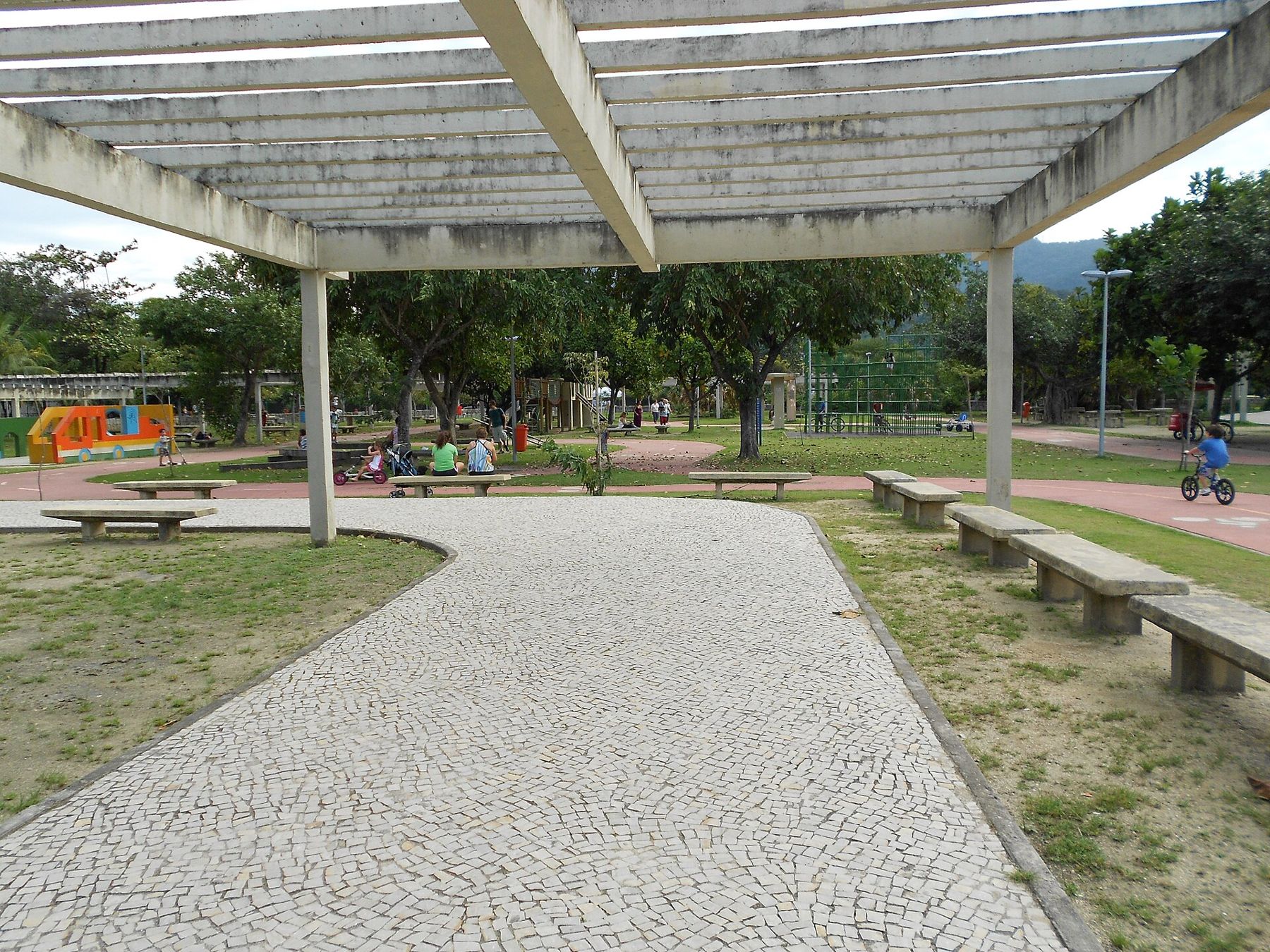
Cycling is another popular way to do the loop: bike-share stations are common in the area, and the separate cycle lane makes a lap easy. On foot or on wheels, keep to the right and watch for faster traffic overtaking.