Rio de Janeiro is unusual among great cities in having a mountain rainforest inside its limits. The Tijuca Forest covers the steep massif that rises behind the beaches of the south zone and the neighbourhoods of the north, and it forms the heart of Parque Nacional da Tijuca, one of the most visited national parks in Brazil. Walking into it is like leaving the city behind in a few steps: the air cools, the traffic fades and the sound of cicadas and running water takes over.
What makes the forest remarkable is that it is not original. By the middle of the nineteenth century, the slopes had been stripped for coffee plantations and charcoal, and the city's water supply was failing. In the 1860s, the imperial government ordered the land to be replanted. Over the following decades, many thousands of trees were planted by hand, much of the work done by enslaved workers and later by paid labourers, and the forest slowly came back. Today it is hard to tell it was ever gone.
The replanting is one of the earliest large reforestation projects anywhere in the world, and it worked well enough that the forest now shelters springs, streams and a rich community of wildlife that has returned on its own. Parts of the massif that were never cleared, on the steepest slopes, hold remnants of the original forest, and the two now blend together. For a city of millions, the result is a remarkable green lung: the forest cools the air, feeds streams and draws rain to the hills.
Into the park at Praça Afonso Viseu
The main entrance to the Floresta da Tijuca sector of the park is at Praça Afonso Viseu in the hilltop neighbourhood of Alto da Boa Vista. A grand stone gateway marks the entrance, and from it a narrow paved road winds into the forest, used by park vehicles, cyclists and walkers. A visitor centre near the entrance has maps and information about trails and current conditions.
The easiest way to reach the gate is by taxi or app car; public buses pass through Alto da Boa Vista too. Arrive early, ideally when the park opens, so that you have the cool hours and the company of other walkers and cyclists on the roads. Opening hours and access rules change; check the park's information before you go.
Cascatinha Taunay
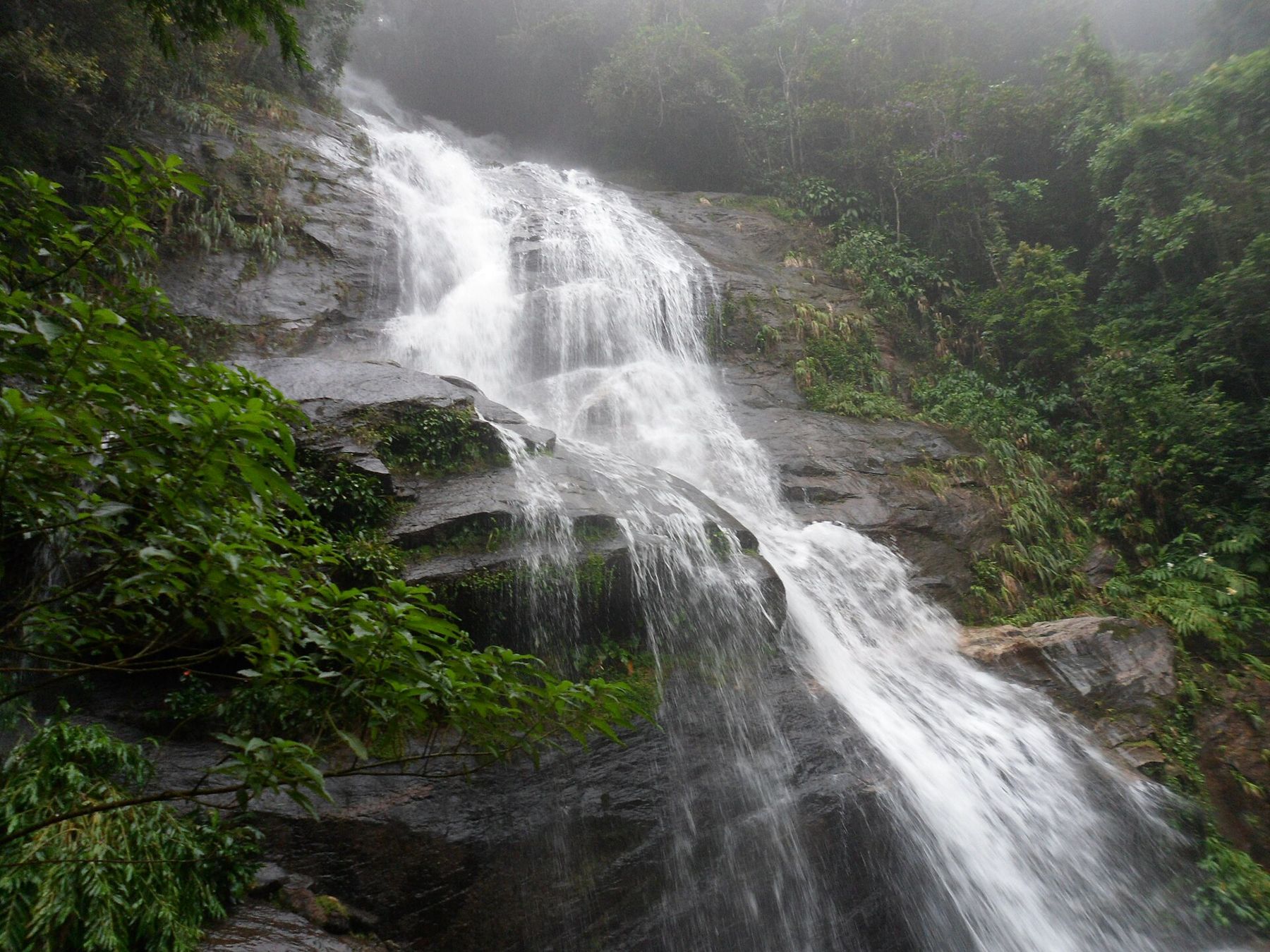
A short walk up the road from the gate brings you to the Cascatinha Taunay, a waterfall that slides and tumbles down a smooth rock face for around 30 m into a pool by the road. It is named after a nineteenth-century French painter who lived nearby and painted the forest. In the rainy season the falls are at their fullest; in dry spells they thin to a silver thread. It is the most popular stop in the park, so expect company on weekends.
Swimming is not allowed at the falls, and the rocks around them are slippery. Enjoy them from the viewing area by the road.
The road to the Mayrink chapel
Continue uphill along the road through the forest. The way is shaded by tall trees draped in vines, bromeliads and ferns, and side paths lead to smaller waterfalls, grottoes and picnic spots. Watch and listen for wildlife: capuchin monkeys and marmosets in the canopy, coatis crossing the road, toucans and colourful tanagers, and huge blue morpho butterflies flashing through the shade.
About 2 km from the gate, the small Capela Mayrink stands in a clearing. This little chapel, built in the nineteenth century, has a simple white facade and holds copies of panels painted in the twentieth century by the artist Candido Portinari; the originals are kept in a museum for safety. It is a peaceful place to rest and a reminder of the estates that once stood in these hills.
Today it is hard to tell it was ever gone.
On to Bom Retiro
Beyond the chapel, the road continues to climb gently towards Bom Retiro, a clearing with picnic tables that serves as the starting point for the trail to Pico da Tijuca and several other peaks. Along the way, short detours lead to viewpoints and features such as the Açude da Solidão, a quiet reservoir, and Os Esquilos, a former estate turned into a picnic area. Signposts point the way.
Walking from the gate to Bom Retiro and back is roughly 7 km on the road, with a steady climb. Fit walkers can continue from Bom Retiro up the summit trail, described in Pico da Tijuca: the summit steps, which turns the outing into a long, demanding day.
Planning a forest day
- Start early: the park opens in the morning, and the first hours are the coolest and quietest.
- Bring water and food: facilities inside the park are limited.
- Wear proper shoes: roads are fine in trainers, but trails need grip.
- Expect rain: showers can arrive suddenly, especially in summer afternoons.
- Use repellent: mosquitoes are common near water.
- Stay on marked routes: the forest is dense, and paths can be confusing.
Take care on the roads too: cars and bicycles share the narrow park roads with walkers, so keep to the side and stay alert on bends. Like other large urban parks, the Tijuca Forest has had occasional problems with robberies on more remote trails. Walk in the morning, in company, on the main roads and trails, carry little of value, and ask at the visitor centre for current advice before setting out on longer routes. Park rangers are the best source of up-to-date information.
Weekends bring families, cyclists and runners to the park road, and the atmosphere is friendly and busy. Weekday mornings are quieter, better for wildlife and calmer at the waterfall, but with fewer people on the trails; balance the two by sticking to the road on quiet days.
Other ways into the forest
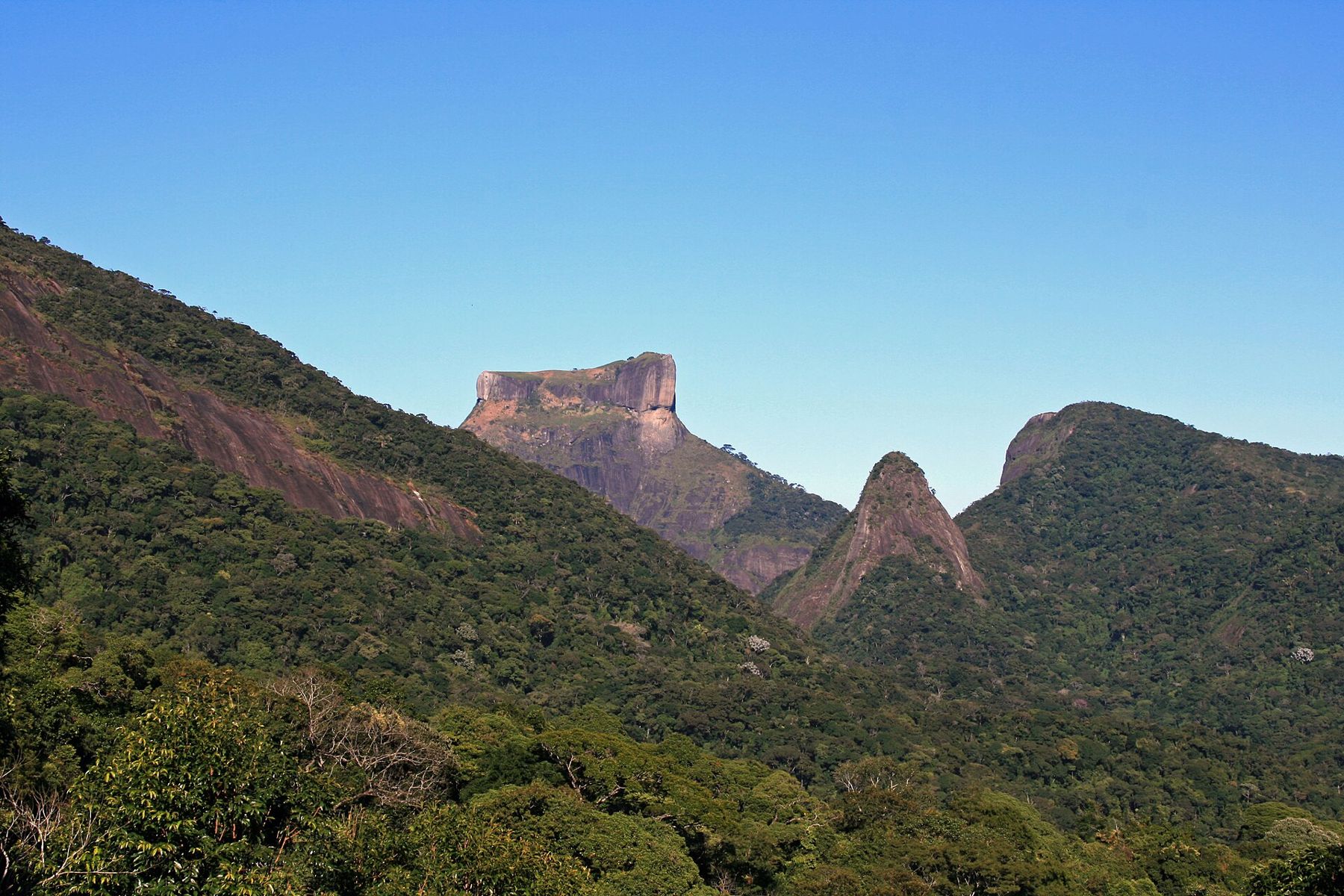
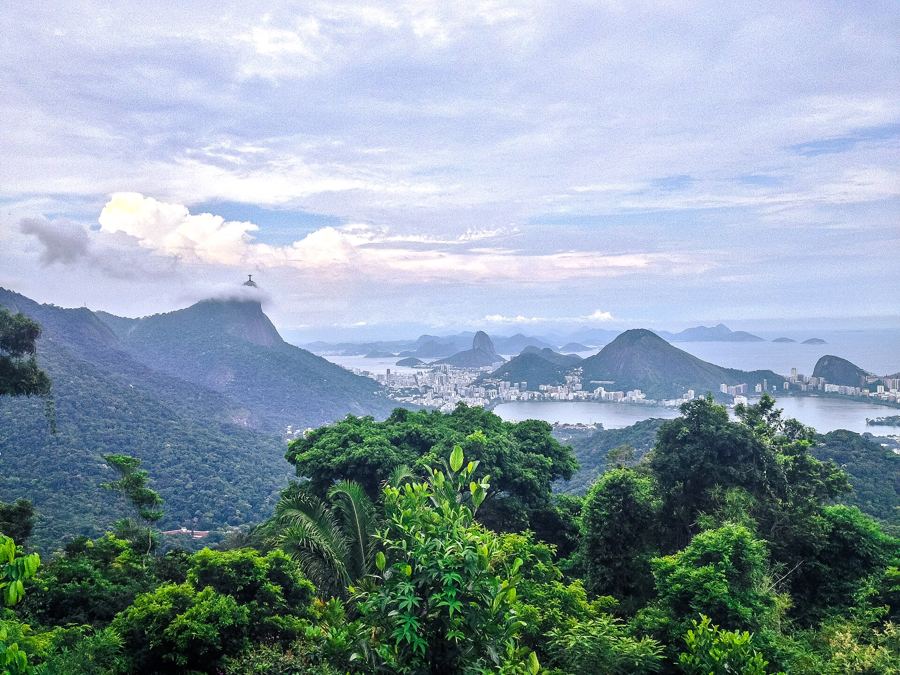
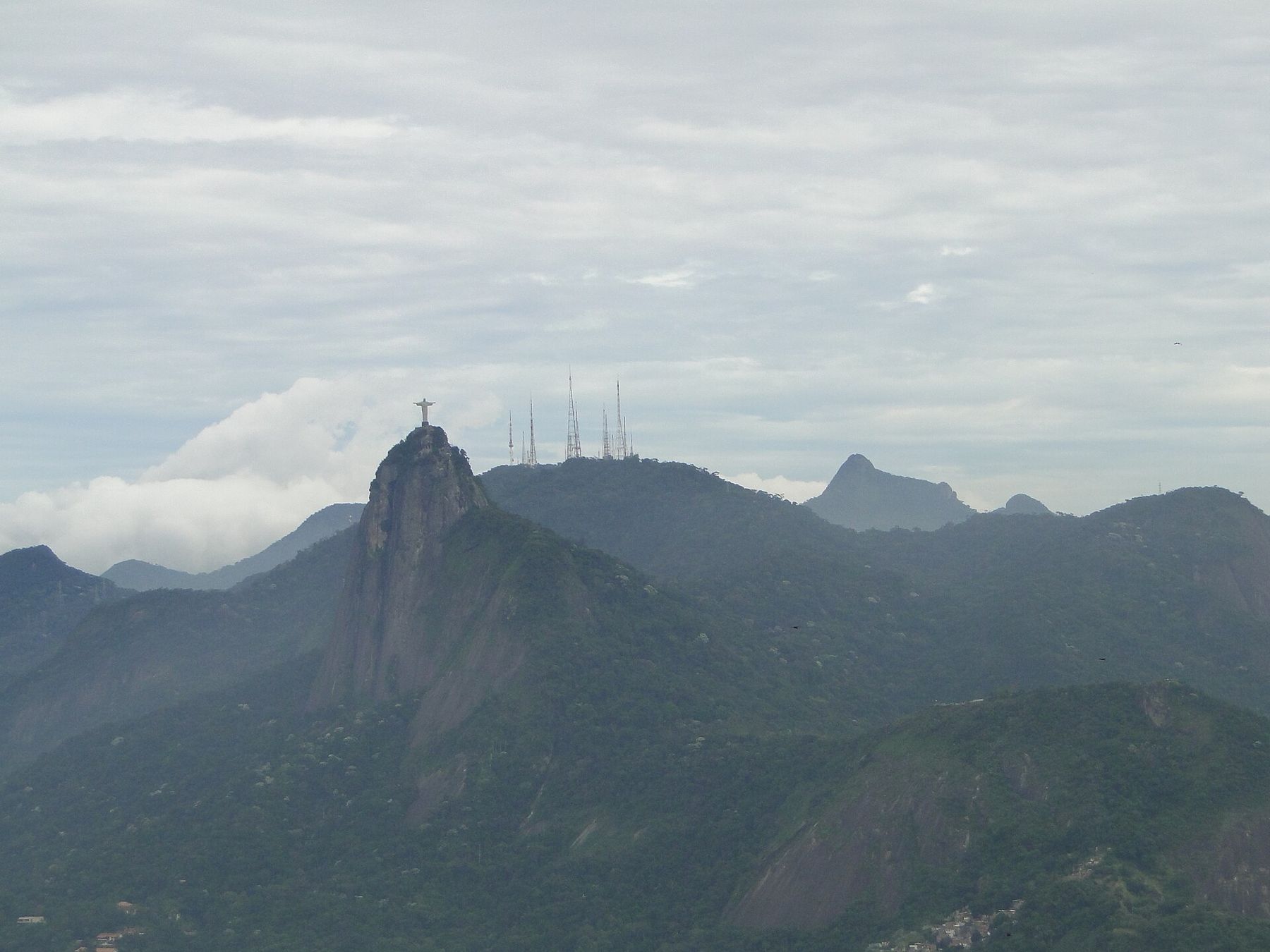
The national park also includes other sectors of the massif. The famous statue on Corcovado stands in the park, reached by road, rack railway or a steep trail from Parque Lage, described in the botanical garden and Parque Lage. The granite summit of Pedra Bonita, with its hang-gliding ramp, offers a short forest climb with a sweeping view of the coast; see Pedra Bonita.
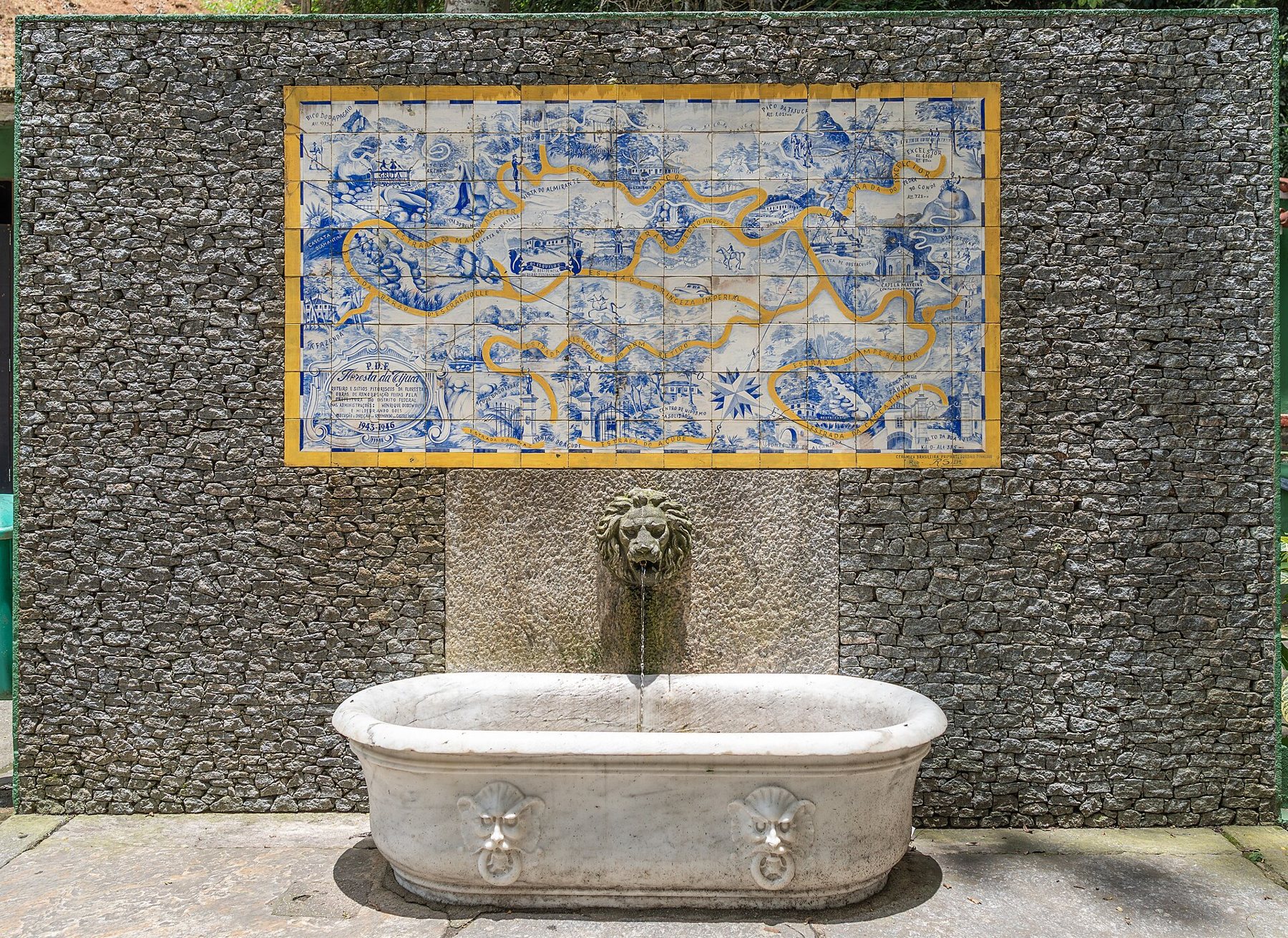
Together, these walks show a side of Rio that many visitors never see: a city wrapped in forest, where the sound of the sea is replaced by birdsong and running streams, and where a few hours on foot can feel like a journey into the wild.